How North American Deer Fit Their Landscapes
A practical field note on reading habitat, seasonal behavior, and viewing distance across North America's familiar large deer species.
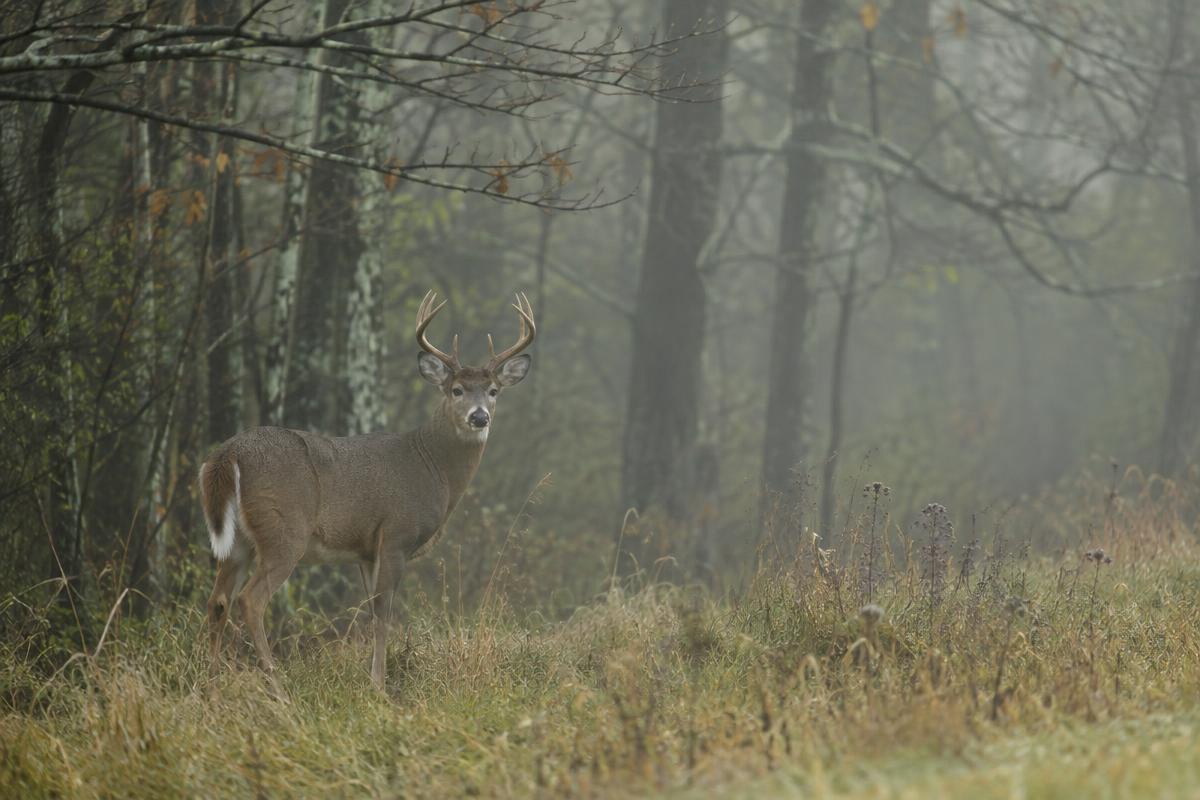
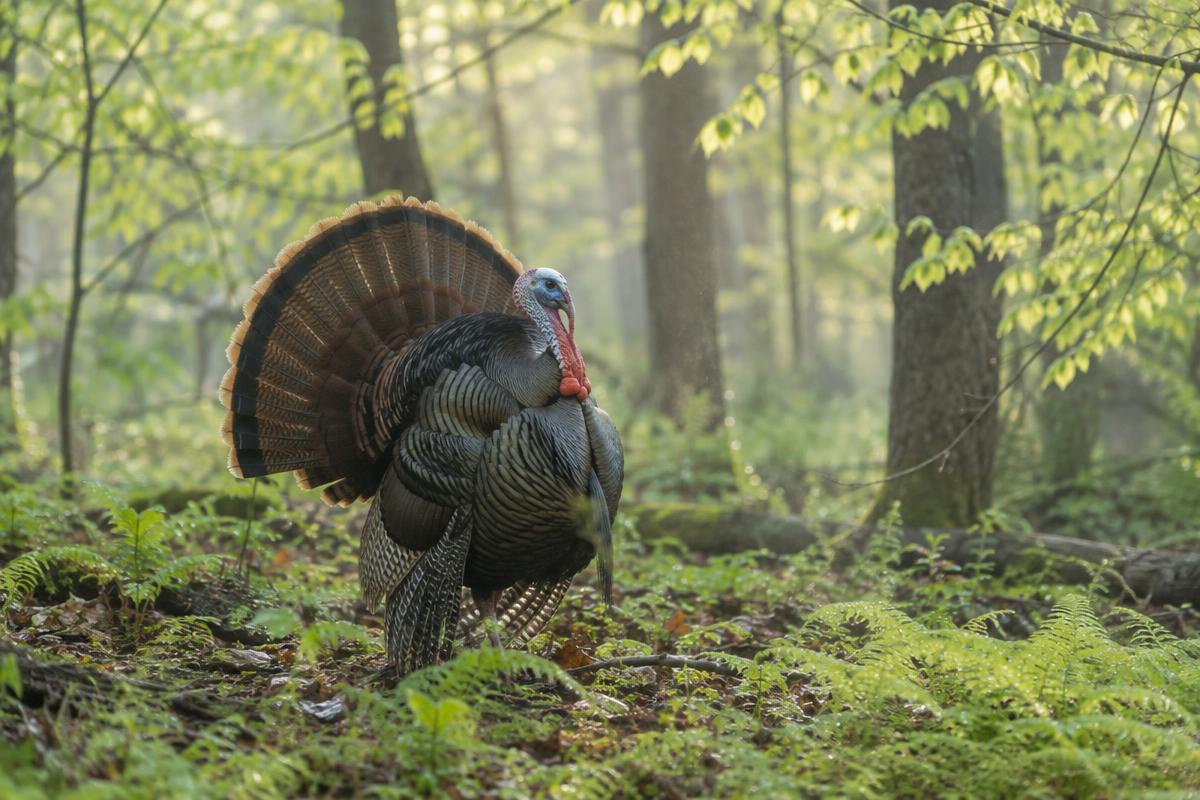
White-tailed deer at the edge of a misty hardwood clearing in early morning light
Getting started
Finding animals in the wrong-looking country is one of the most common mistakes that people make while glassing. For example, that brushy river edge may hold as many animals as that open looking slope. And that ridge that looks so bare may hold all the animals in the area that the observer has been looking for in the timber. Reading the landscape first and then matching that up with the animals’ expected seasonal behavior, as well as their expected distance from you and the limits of your binoculars, can make a short trip to public ground very productive and turn wildlife watching into more of an observer’s sport rather than a racing-type of activity.
Start with the landform, not the animal
White-tailed deer can be lurking along the edge of fields and in timber along the edge of rivers, as well as along roadsides with dense cover on one side and open areas on the other. Their outline can often disappear into the shadows in dark or brushy cover. When scanning through such areas, move slowly and give your eyes time to adjust to the dark areas in order to discern the outline of deer in the transitions.
All species need cover, water and places to rest and could therefore be found in areas that seem to match their ‘label’. Mule deer for example can be found in broken country, dry foothills and on open slopes. Elk prefer meadows, timber and raised uplookout points over escape routes. Moose are found in wet ground, around ponds, slow flowing water and willows and other browse close by.
Keep in mind these are general tendencies. All sorts of things – drought, deep snow, hot weather, human disturbance, reduction in food sources – can cause animals to shift their usual ranges. An observer has to be prepared for anything.
Seasonal behavior changes the view
Spring and early summer animals will often be found near newly emergent vegetation that is particularly nutrient rich. As the temperatures start to rise in late spring and through summer, animals will often seek out the coolest parts of the day to rest and then be active in the shaded areas of the forest, on north facing slopes, and along wet areas. Fall is perhaps the best time to see animals that have become familiar with human presence. Not only do many species of mammals move about more than usual as food sources begin to disappear, but the various species also become more active in their normal breeding behaviors. Once again, visibility will depend on the amount of cover present as well as pressure from other animals.
Winter wildlife observation can be quite limited depending on how much cover there is by way of trees and shrubs. Animals will often travel to areas with some protection from wind and will seek out exposed browse such as shrubs and tree branches. South facing slopes with some cover can also hold animals in winter. And of course always check the public land you intend to visit for access prior to heading out. A closed gate, muddy road, high water, or very long haul from car to where you’ll be observing all impact on the amount of time and gear you’ll need to observe effectively in winter, much more so than a detailed weather forecast.
Let binoculars set the distance
Whether it be a distant ridge or a nearby animal, when you use your binoculars remember to take your eyes from them often to observe the surrounding habitat to ensure that the animal has not wandered off.
Even if one has the best binoculars, it is best to glass from a steady position. Bring elbows down to your knees or to the top of your pack. Make sure to clean your glassing instruments and look for fog before moving from cold to warm. In hot weather, heat off of the ground can create a hazy image, as well as causing light to pass through the glass at an angle. At close range, it is best to drop the glasses frequently to re-locate the animal within the surround.
Pack for observation, not just weather
Quiet layers, a canteen of water and a pair of comfortable boots for slushy wet ground are key for longer glassing stops. When you do take out your phone to log an observation, wait until you have been able to safely re-locate the animal and then note habitat, time of day and behavior.
Respect wildlife and keep a safe distance when traveling on public land. Stay on routes and out of closed areas and do not congregate in areas with water or when animals are trying to find winter cover. Simple field notes would include the location where an animal was observed, the habitat it was using and how the season’s change affected its behavior.
A note on regulations
Fishing and hunting rules are set by state and federal agencies and change annually. This article describes general outdoor practice, not current law. Confirm licenses, seasons, limits, and access with the managing agency before you go.