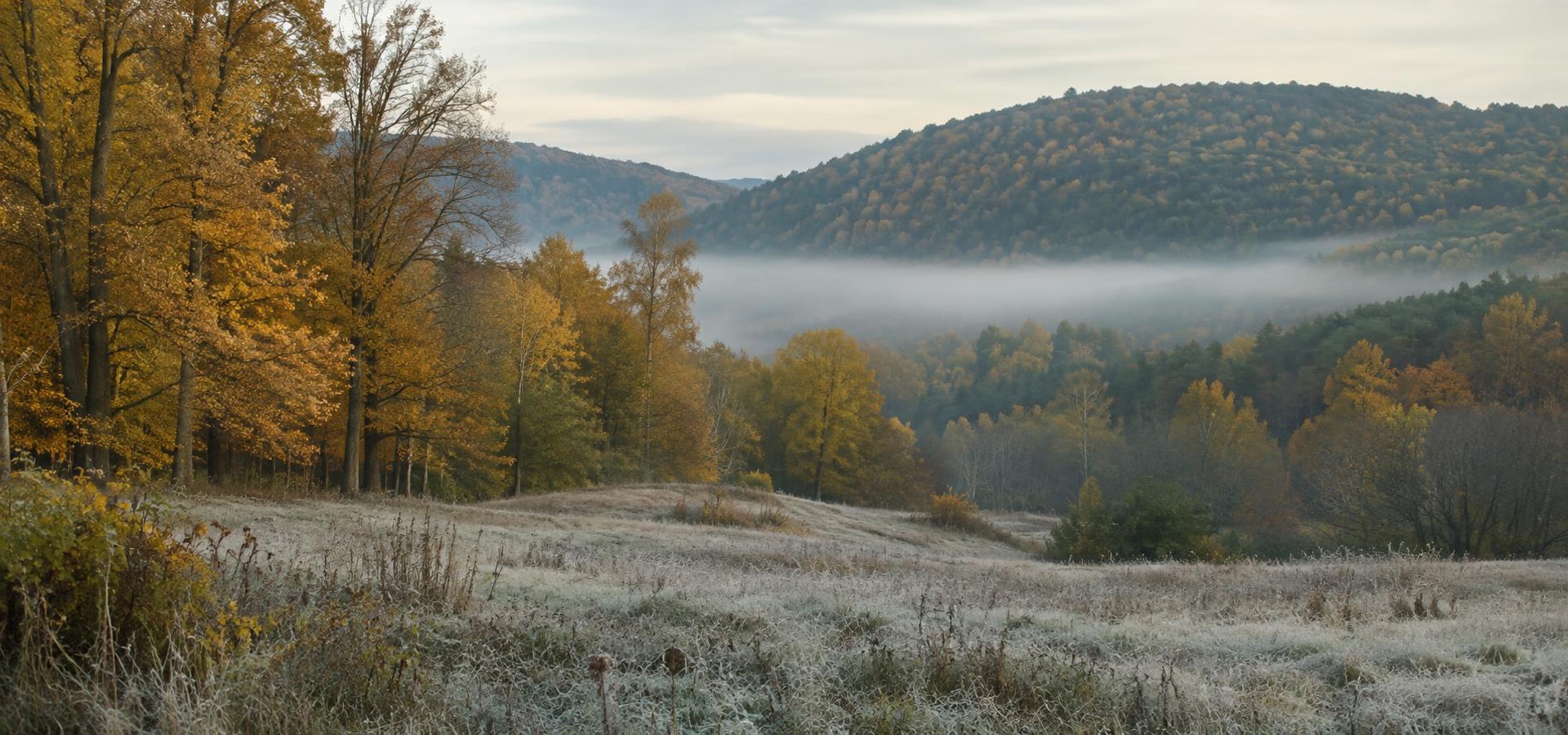
Frosted autumn meadow edged by golden hardwood timber below a forested ridge

Hunting

Hunting, Wildlife & the American Landscape

A grounded look at American hunting heritage, the species that define it, the country that holds them, and the conservation system that sustains both.

Hunting is regulated at the state level, and the rules differ by species, unit, and season. This section explains heritage, wildlife, and conservation context. It does not publish season dates or license prices — confirm those with the agency that sets them.

Heritage

American Hunting Traditions

Hunting in this country has always been regional. What people pursue, and how, follows the land they live on.

American hunting traditions

Hunting in the United States is a set of regional practices shaped by landscape and season: deer camps in the northern hardwood forests, upland bird hunting on the prairies, waterfowl blinds on coastal marshes, and elk seasons in the high country. These traditions are passed down through families and communities, and they are tied to a specific place.
Woodsmanship before equipment

Reading sign, understanding wind, and moving quietly through cover will always matter more than the newest gear. The best hunters are students of the animals they pursue, and they spend far more time scouting than shopping.

Ethics in the field

Ethical hunting means clean, quick kills, honest tags, respect for landowners, and full use of the animal. It also means accepting a failed season rather than taking a shot you cannot make well.

Wildlife

North American Wildlife Species

Species profiles focused on habitat and behavior — the two things that determine where an animal actually is.

Read the deer species guide
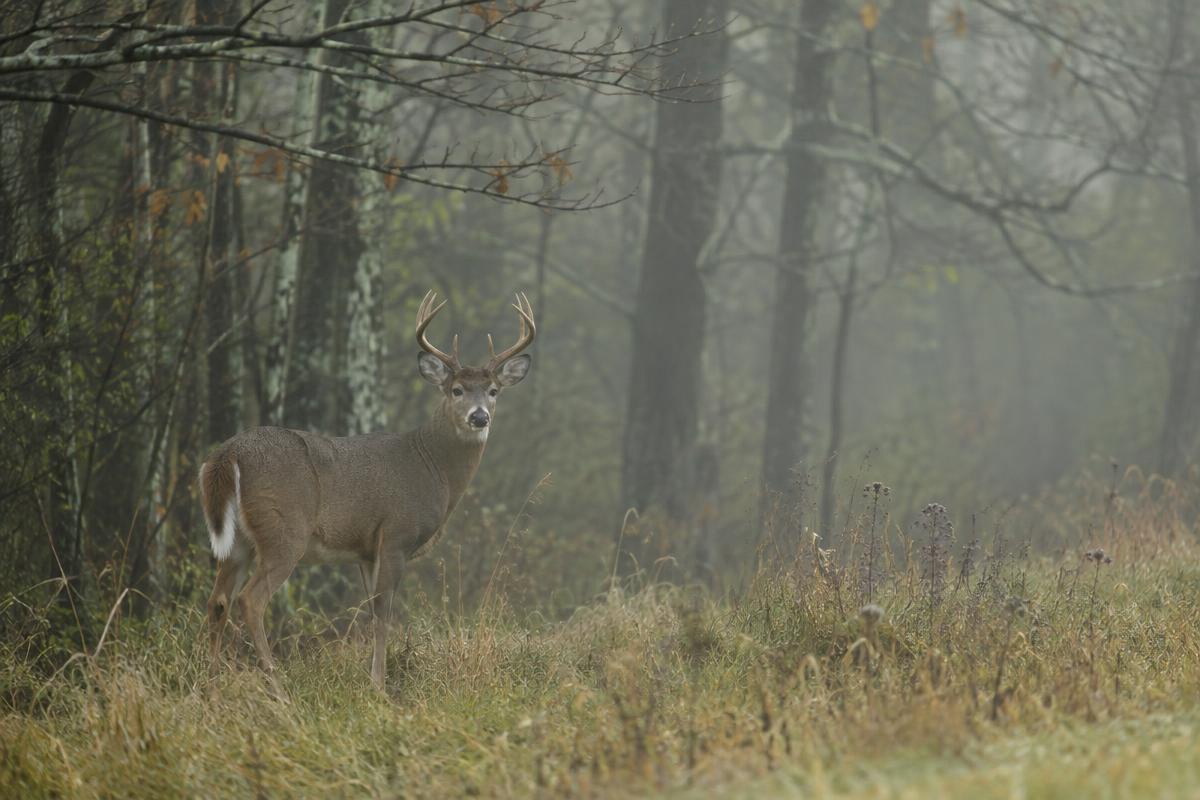
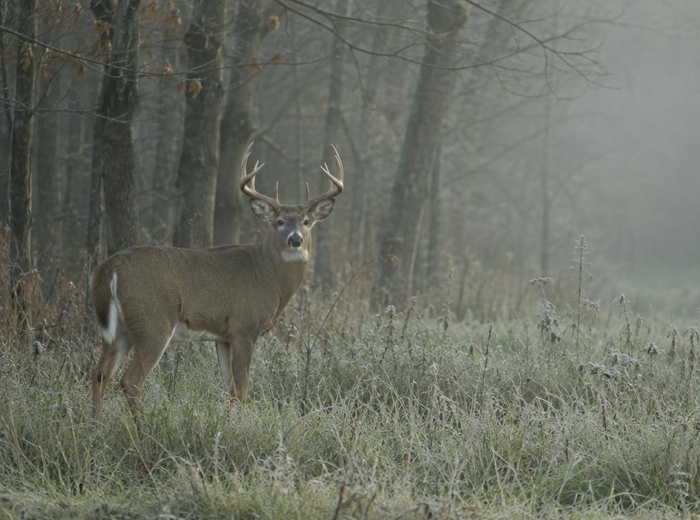
White-tailed buck standing in frosted grass at the edge of a hardwood woodlot

White-tailed Deer

Nationwide · Most pursued big game

Adaptable and widespread, whitetails thrive at the edges of forest and field. Understanding cover, food, and prevailing wind matters more than any single piece of equipment.

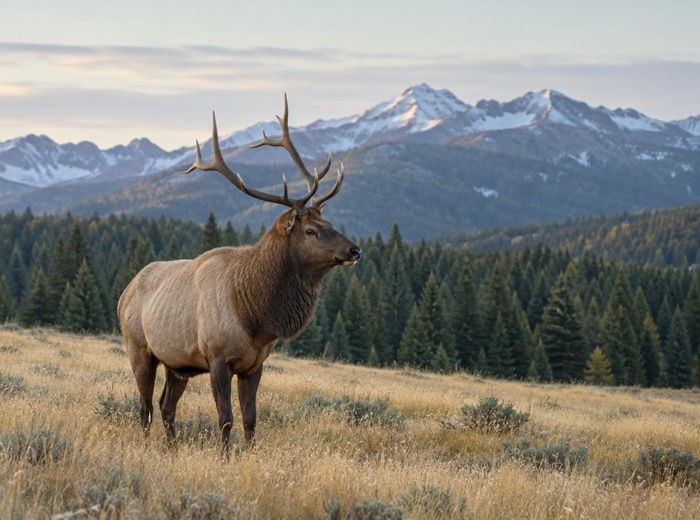
Bull elk in a high mountain meadow at dawn with conifer treeline behind

Elk

Rocky Mountains · Western states

Elk are animals of elevation and distance. Herds move between summer range and winter range, and hunting them is largely a study in terrain, thermals, and patience.

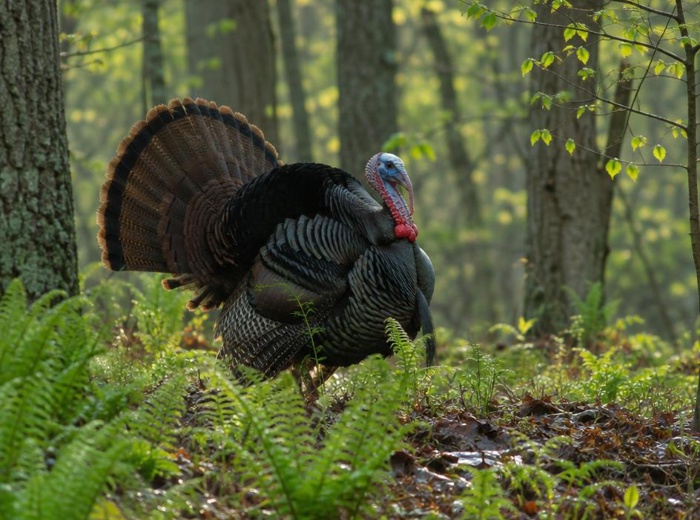
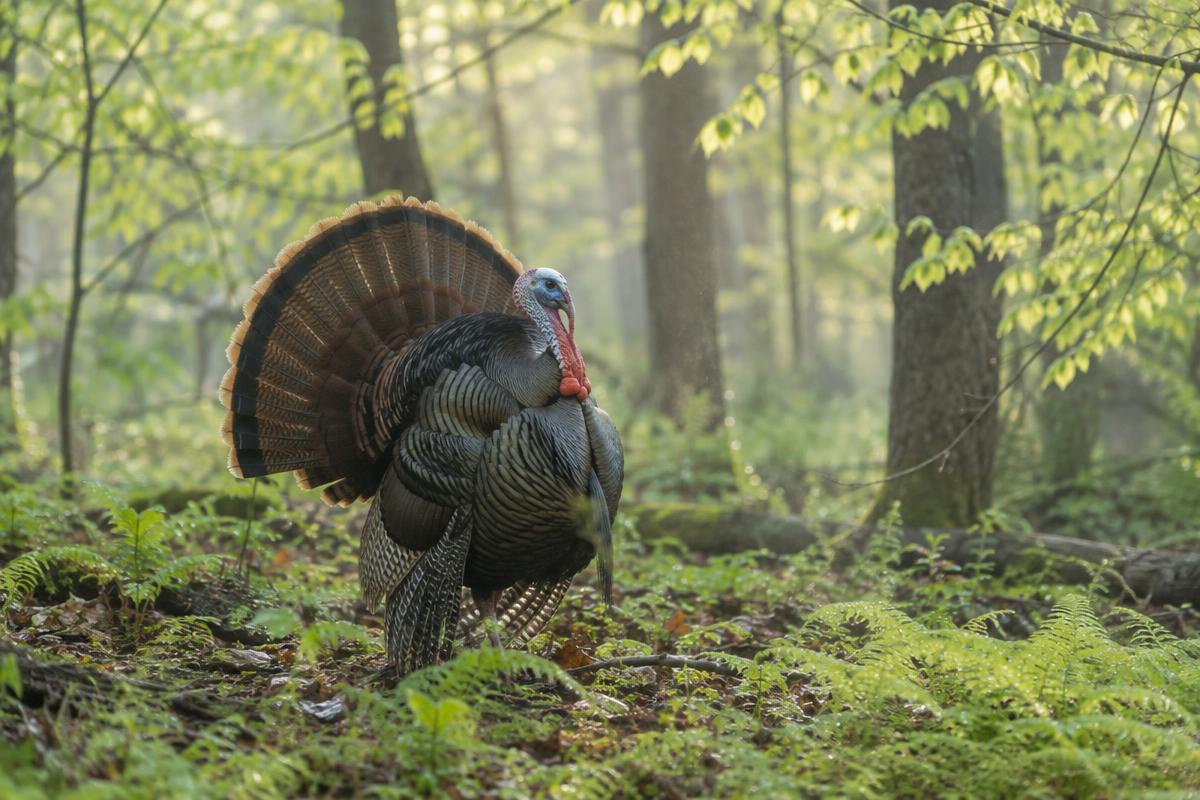
Wild turkey gobbler in a dewy spring hardwood opening

Wild Turkey

Eastern & central states · Spring season

A vocal, wary game bird with exceptional eyesight. Turkey hunting is an acoustic sport built on scouting, calling discipline, and staying still.

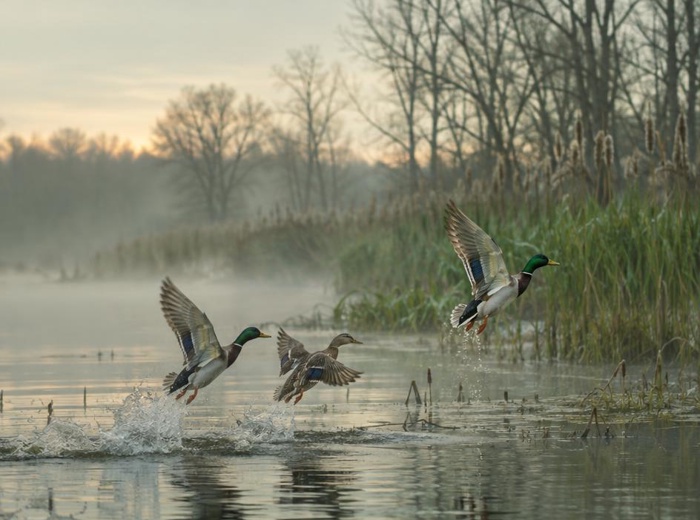
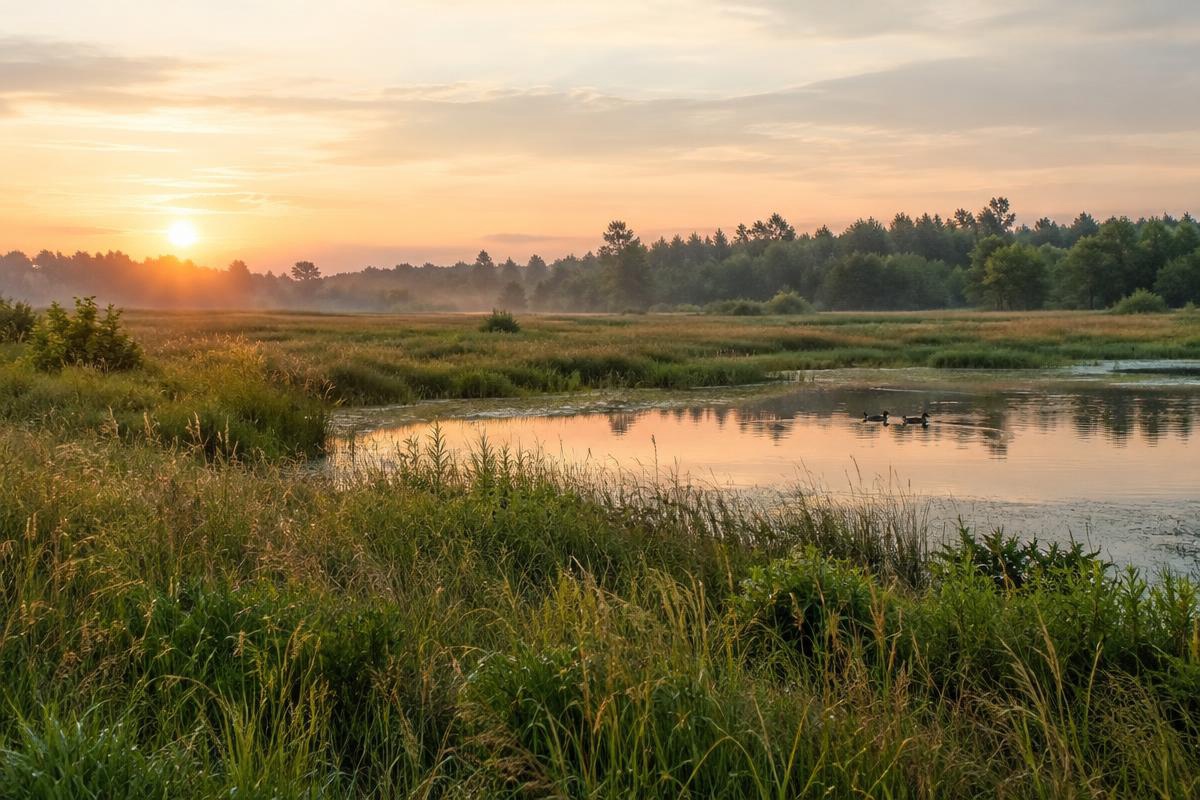
Mallards lifting off a misty marsh pond at first light

Waterfowl

Flyways nationwide · Migratory

Ducks and geese follow the major flyways, and their movements depend on weather, water, and food. Migratory bird rules are federal as well as state-managed.

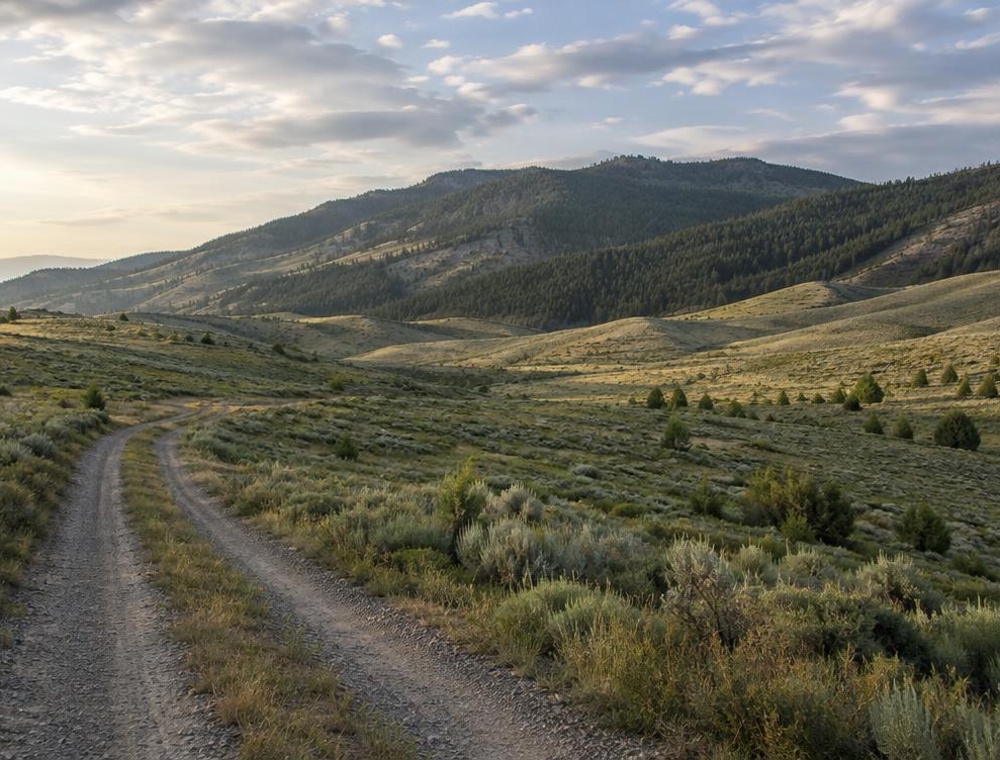
Rolling sagebrush hills meeting a forested ridgeline on western public land

Regional landscapes

Where the Country Shapes the Hunt

Public land access is the foundation of American hunting. National forests, Bureau of Land Management units, state wildlife management areas, and refuges together provide the majority of hunting opportunity in the West, while the East relies more heavily on private land and state-managed tracts.

Each region page explains the dominant landscapes, the big game and upland species they hold, the public recreation areas worth knowing, and the state agencies that administer licenses and seasons.

Pacific NorthwestRocky MountainsSouthwestMidwest & Great LakesNortheastSoutheast
Explore regional guides

Safety & responsibility

Responsible Hunting and Outdoor Safety

  • Identify your target and what is beyond it before the safety comes off.
  • Wear required high-visibility orange where regulations require it.
  • Never stalk a sound; turkey hunting safety depends on a fixed, visible position.
  • Tell someone your plan: area, access point, and expected return time.
  • Carry bear spray and proper food storage in bear country.
  • Transport and store firearms unloaded, secured, and separate from ammunition.

Wildlife management

Management, Habitat & Conservation

State wildlife agencies set seasons using population data, harvest reporting, and habitat conditions. Hunters are the primary source of that data — check stations, harvest reports, and surveys all depend on participation.

Funding comes largely from license sales and federal excise taxes on firearms and ammunition, distributed back to states for management and habitat work. That model is why habitat restoration, winter range protection, and migration corridor work are so closely tied to hunting.

Why conservation matters

Official resources

State Wildlife Agencies

Licenses, seasons, tags, and access rules are set state by state. These are the agencies to check before you plan a trip.

Search all fifty states
AL

Alabama

Alabama Department of Conservation and Natural Resources

AK

Alaska

Alaska Department of Fish and Game

AZ

Arizona

Arizona Game and Fish Department

AR

Arkansas

Arkansas Game and Fish Commission

CA

California

California Department of Fish and Wildlife

CO

Colorado

Colorado Parks and Wildlife

CT

Connecticut

Connecticut Department of Energy and Environmental Protection

DE

Delaware

Delaware Division of Fish and Wildlife

FL

Florida

Florida Fish and Wildlife Conservation Commission

GA

Georgia

Georgia Department of Natural Resources

HI

Hawaii

Hawaii Division of Aquatic Resources

ID

Idaho

Idaho Department of Fish and Game

Agency names are listed for reference. Regulations, fees, and season dates change annually — always confirm current requirements directly with the agency.

Related reading

Hunting & Wildlife Articles

All articles